
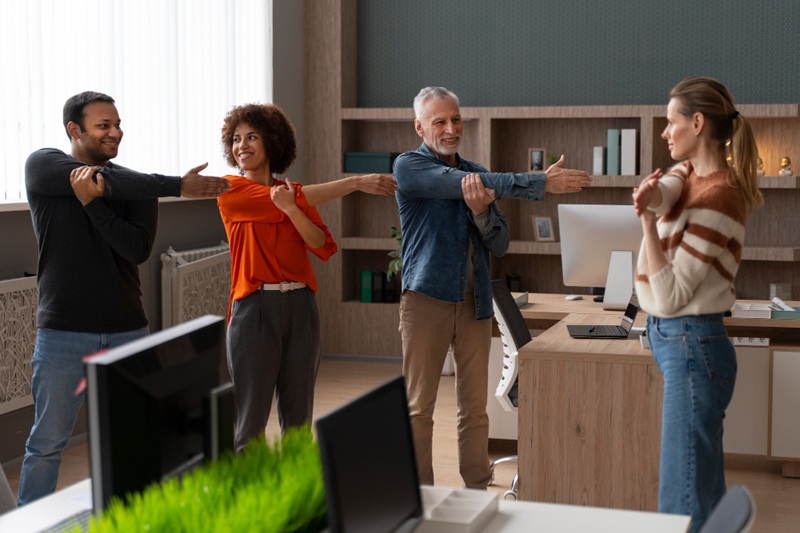
Sitting at a desk all day is standard for millions of people. Meetings stack up, email piles in, and those “I’ll move after this task” moments become an entire workweek. Traditional fitness advice such as hour-long gym sessions, rigid training plans, or aggressive morning routines often misses the realities of desk-based life. Fitness for People Who Work at Desks is not about punishing workouts. It is about designing a day that protects posture, preserves energy, and adds movement reliably into a busy schedule.
This article translates practical, evidence-informed principles into realistic habits. These include short movement breaks, posture-friendly setups, simple strength and mobility moves, and lifestyle strategies like sleep, hydration, and stress management that support long-term change. No jargon and no hype, just usable strategies you can try this week.
At its core, Fitness for People Who Work at Desks is a lifestyle approach. It reframes fitness from once-a-day workouts to a pattern of daily behaviors that reduce the harms of sedentary work and build functional capacity.
Key components include:
This approach blends desk fitness, office movement, and posture health into a system designed for people who need to work while also wanting to feel better doing it.
Prolonged sitting changes how your body feels and performs in subtle but important ways.
These effects are common and reversible. Small, frequent changes can create meaningful improvements in comfort and function.
Before diving into routines and exercises, these principles help shape a sustainable approach.
Movement snacks are brief activities lasting from 30 seconds to two minutes. They form the backbone of fitness for desk workers.
Examples include:
To make movement snacks automatic, tie them to existing habits such as sending an email, ending a meeting, or switching tasks. Silent timers or calendar reminders can help until the habit becomes second nature.
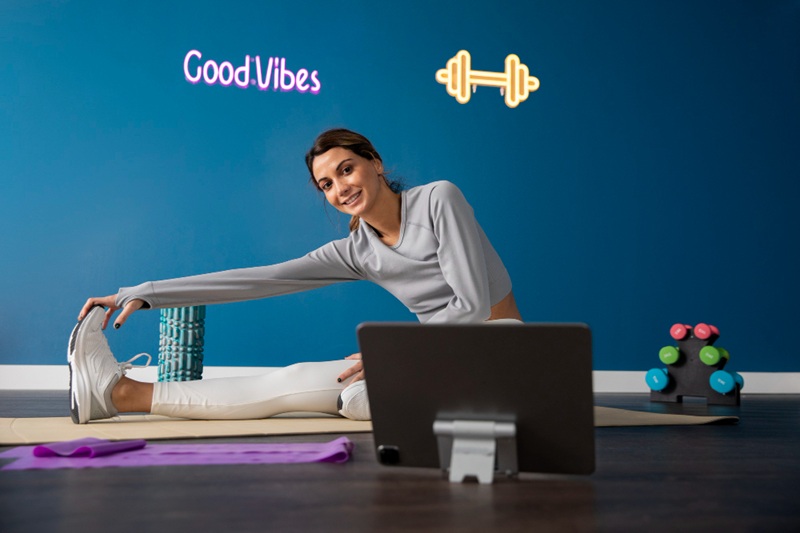
Small posture rituals repeated daily can significantly reduce strain over time.
Posture Micro-Checks
Quick Mobility Moves
These take two to five minutes and can be done at any point during the day.
A simple structure could include a short mobility flow before work, a quick reset after lunch, and posture checks during the afternoon.
You do not need a gym or long sessions to build useful strength.
Strength Basics Two to Three Times Per Week
These movements support posture, walking, lifting, and daily activity.
Cardio That Fits a Desk-Based Schedule
Short sessions performed consistently are more effective than sporadic long workouts.
Before Work
During the Workday
Short Strength Sessions
A 12-minute circuit performed three times per week:
Repeat the circuit twice.
Movement works best when supported by foundational habits.
Fitness habits stick when systems support them.
This content is educational and not medical advice. If you have injuries or medical conditions, consult a healthcare professional before starting new exercises. Start gently and adjust based on how your body responds.
Sustainable fitness for desk workers isn’t about doing more it’s about doing what fits your life. With the right guidance from a fitness coach in seattle, these daily movement habits become easier to maintain and far more effective over time.
Fitness for people who work at desks focuses on daily movement habits rather than traditional workout routines. It includes posture awareness, short movement breaks, mobility, walking, light strength training, and recovery practices that fit naturally into a desk-based workday. The goal is to reduce the negative effects of prolonged sitting and support long-term health in a realistic way.
Desk workers benefit most from frequent movement throughout the day rather than one long workout. Short movement breaks every 30 to 60 minutes, combined with 20 to 30 minutes of walking and a few short strength or mobility sessions each week, can significantly improve comfort, energy, and posture over time.
Yes. Short movement breaks, often called movement snacks, help improve circulation, reduce muscle stiffness, and support focus. Even one to two minutes of standing, stretching, or light movement can interrupt long sitting periods and reduce cumulative strain when done consistently.
The most effective exercises for desk workers support posture and everyday movement. These include glute bridges, planks, rows, incline push-ups, walking, and simple mobility exercises for the hips, shoulders, and upper back. These movements help counteract the effects of prolonged sitting without requiring gym access.
Posture and exercise work together. Good posture reduces strain during the workday, while strength and mobility exercises help maintain that posture over time. Small posture checks combined with regular movement provide better results than focusing on posture or exercise alone.
Remote and hybrid workers can stay active by scheduling movement breaks, taking walking phone calls, using timers as reminders, and creating simple routines before, during, and after work hours. Designing the work environment to encourage movement is often more effective than relying on motivation alone.
Many people notice improvements in stiffness, energy, and focus within one to two weeks of consistent movement habits. Posture, strength, and endurance improvements develop gradually over several weeks to months. Consistency matters more than intensity when building sustainable fitness for desk-based work.
Fitness for People Who Work at Desks is not about extreme routines or rigid plans. It is about making small, intentional changes to the way your workday is structured. Short movement breaks, simple strength work, mobility habits, and supportive lifestyle choices gradually improve posture, energy, and resilience.
Choose one habit today and make it automatic. Over time, these small decisions compound into meaningful improvements that support both health and performance at work.

Origins Unity LLC Gym Yoga Studio Meditation Center offers Holistic Health and Wellness Coaching, Corporate Wellness Programming, and more. We are Mental Health Advocates and aim to produce wellbeing through natural means. Our services are for individuals, groups, and companies.